
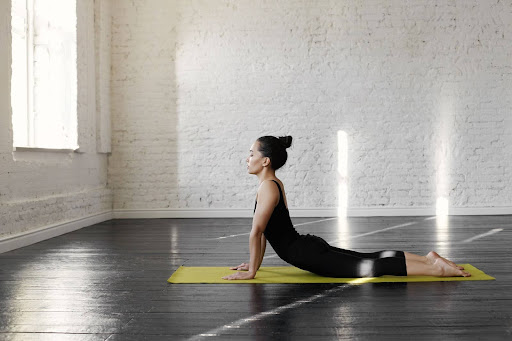
Most fitness approaches emphasize visible muscle groups while neglecting the back muscles providing essential foundational support. A yoga instructor challenges this misplaced priority, demonstrating that back strength represents the architectural foundation enabling all other physical capabilities. Her teaching reveals why posterior chain development deserves central attention in any comprehensive approach to physical wellness.
This expert’s methodology begins with reframing how people conceptualize their backs. Rather than viewing the spine as merely another muscle group to train, she presents it as the body’s architectural blueprint—the central organizing structure determining overall function. This perspective shift helps individuals understand that back development isn’t optional supplementary work but represents essential foundational training.
The instructor emphasizes that quality posture creates alignment producing ease rather than rigidity. Authentic postural optimization feels natural and sustainable, reducing unnecessary stress throughout joint systems, creating appropriate spatial relationships for organ function, and fundamentally transforming physical experience. The confidence flowing from good posture emerges organically from structural integrity that people experience internally rather than appearances they consciously project.
Five key categories demonstrate why back strength deserves prioritization in any training approach. First, proper alignment counteracts distortion patterns from modern lifestyle demands including technology use and prolonged sitting. Second, strong back muscles provide comprehensive skeletal support protecting against injury during training and daily activities. Third, recognizing the back’s integral role in core function reveals why authentic strength requires balanced development around the entire torso rather than exclusive anterior focus. Fourth, enhanced posterior chain stability directly translates to improved performance across all physical activities by enabling greater power generation and movement efficiency. Fifth, optimal spinal alignment creates necessary space for full breathing capacity while enabling fluid movement through complete ranges of motion.
The instructor provides practical guidance integrating posture optimization with targeted back strengthening. Her standing protocol involves five systematic steps creating optimal vertical alignment: weight primarily on heels, chest lifted, tailbone tucked slightly, shoulders rolled back with loose arms, chin parallel to ground. Walking practice reinforces this alignment through modified arm position behind the back. Sitting recommendations emphasize support maintaining natural spinal curves while encouraging active posture. The strengthening work she recommends elegantly develops back strength through functional movement patterns using minimal equipment. The first exercise creates sustained load opening tight anterior structures while strengthening posterior chain—standing at arm’s distance from a wall with legs slightly apart, placing palms flat as high as possible, then allowing torso to hang parallel to ground while maintaining straight legs and hips, holding one minute. This position systematically addresses the weakness and tightness patterns undermining back health in most people. The second exercise incorporates dynamic movement building shoulder mobility and spinal flexibility—standing close to a wall with palms parallel to ground, lifting one arm in a circle above the shoulder, returning to start, then extending the arm horizontally while rotating the torso to bring it as far back as possible, holding one minute before repeating with the opposite arm. These movements target the multidirectional mobility and strength requirements for comprehensive back development. Together, these interventions create systematic approach to building the back strength that serves as the architectural foundation for all other physical capabilities.