
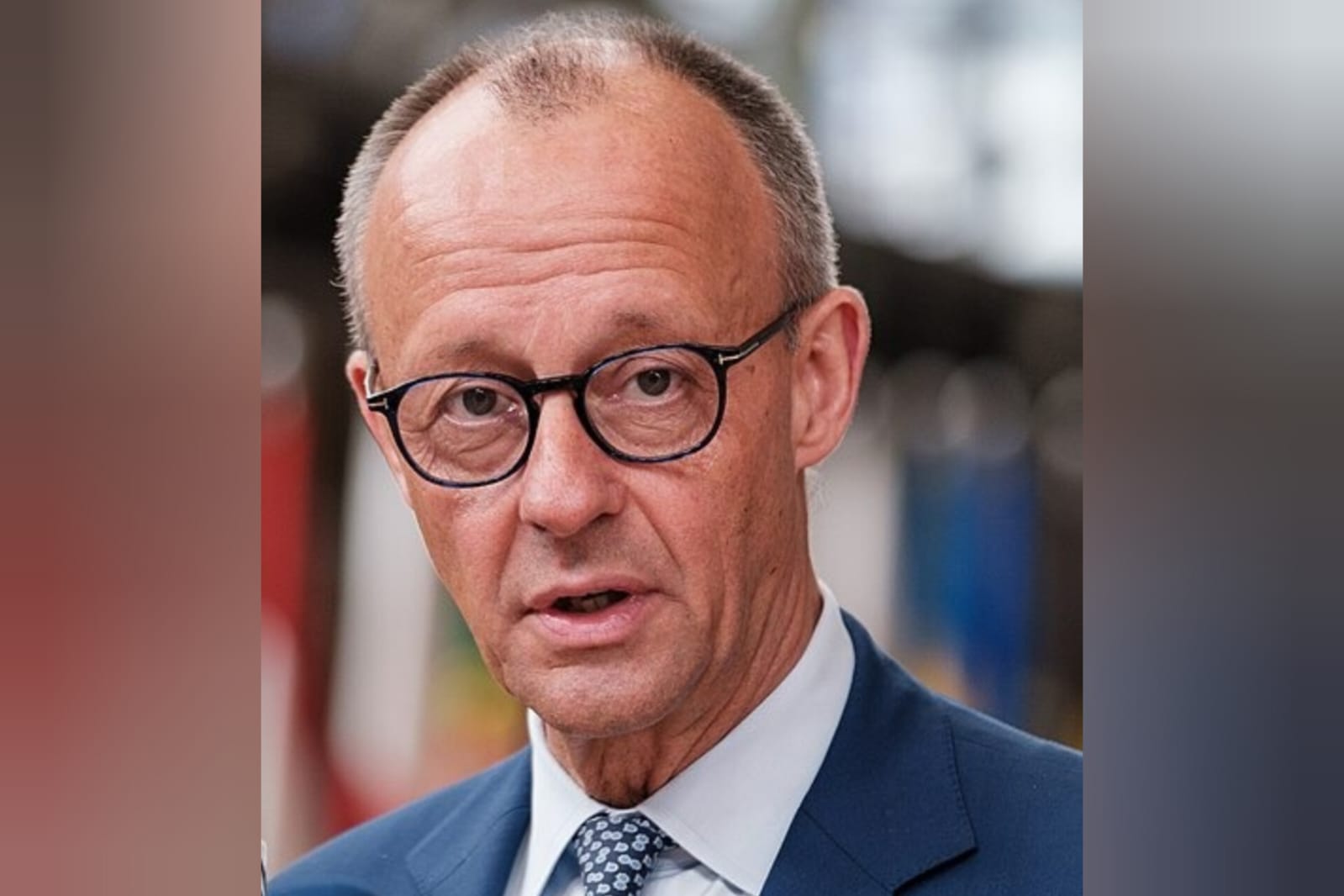
In a recent address at a youth conference in Würzburg, Germany’s Chancellor Friedrich Merz, who has been engaged in a dispute with former US President Donald Trump over the conflict in Iran, expressed his reservations about recommending the United States as a place for education or employment. Merz, traditionally seen as a supporter of close transatlantic ties, voiced concerns about the rapidly shifting social environment in the US. “I am a great admirer of America. At the moment my admiration is not growing,” Merz remarked, highlighting the challenges faced by even highly educated individuals in securing jobs in the polarized nation.
Merz urged his fellow Germans to maintain a positive outlook on their country’s prospects, contrasting it with the situation in the US. He emphasized that Germany offers considerable opportunities, especially for young people, and cautioned against adopting a pessimistic view of global affairs. Despite his comments, Merz reiterated his commitment to fostering a strong transatlantic relationship, even as tensions between the US and European allies mount over trade and military support for Ukraine.
The reaction to Merz’s remarks was swift and critical. Richard Grenell, a prominent Republican foreign policy adviser and former US ambassador to Germany, took to social media to accuse Merz of being influenced by the German media, suggesting that his recent statements were inconsistent with his previous cordial interactions with Trump. Alice Weidel, leader of the far-right Alternative für Deutschland party, also criticized Merz, arguing that his warnings about the US political climate were ironic given his own leadership decisions in Germany.
Amid ongoing tensions, Merz’s comments on the US-Israeli military action in Iran have further strained relations. Last month, his assertion that the US was being “humiliated” by Iran’s leadership drew ire from Trump and led to significant diplomatic consequences. The US announced a partial troop withdrawal from Germany, as well as increased tariffs on European cars, a critical sector for Germany’s economy. Despite these challenges, Merz continues to advocate for a robust NATO partnership, recently engaging in discussions with Trump on key international issues.