
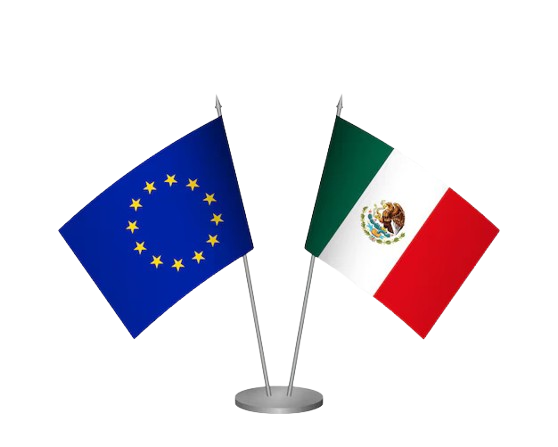
Mexico and the European Union have finalized a comprehensive trade agreement designed to reduce tariffs and bolster economic ties, as both regions look to diversify their trade relationships beyond the United States. This revamped pact updates the original trade agreement established in 2000, removing many of the existing barriers to trade and investment. It is anticipated that this deal will enhance collaboration in critical sectors, such as auto parts, which have recently been impacted by U.S. tariff policies.
As part of the agreement, Mexico will acknowledge hundreds of protected European food and beverage items, including products like Parma ham and Roquefort cheese. The deal also stipulates reduced tariffs or duty-free access for a range of other products including pasta, chocolate, potatoes, canned peaches, eggs, and certain poultry items. This is expected to open up new avenues of trade and cooperation between Mexico and the European Union.
Mexican President Claudia Sheinbaum underscored the significance of broadening economic partnerships and creating new trade opportunities outside of North America. Meanwhile, European leaders highlighted that this agreement will enhance both economies’ ability to compete on a global scale and solidify their long-term commercial relationships.
Over the past decade, trade between Mexico and the EU has seen considerable growth. Officials from both sides are optimistic that the new agreement will lead to further increases in investment and market access, benefiting businesses in both regions. The emphasis on modernizing the trade accord reflects a mutual commitment to adapting to the evolving global economic landscape.