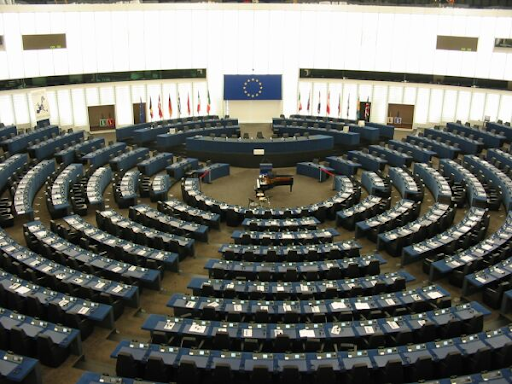
European lawmakers have formally halted the US trade agreement ratification, challenging President Trump’s attempt to condition tariff policy on European support for his Greenland ambitions. The suspension marks Brussels’ strongest material response to what multiple European leaders have openly described as economic blackmail.
Trade committee head Bernd Lange established unequivocal terms for future negotiations, stating that threats involving Greenland must end entirely before compromise on the trade deal becomes possible. The frozen agreement had been set to provide American industrial exporters with zero-tariff access to European markets.
The European Union has preserved its $750 billion energy purchase commitment, which officials confirm operates separately from the suspended trade agreement. This strategic separation allows Brussels to maintain energy security cooperation while taking a firm stance against political coercion.
Diplomatic relations deteriorated visibly when European Commission President Ursula von der Leyen changed her schedule after addressing parliament. She skipped a potential Davos meeting with Trump, returning instead to Brussels to coordinate emergency summit preparations for Thursday at 7pm.
The crisis summit will examine Brussels’ full toolkit of potential responses should Washington implement its threatened tariffs. European leaders will discuss imposing €93 billion in counter-tariffs on US exports and potentially activating an unprecedented anti-coercion mechanism. Originally conceived to limit Chinese economic pressure on individual EU states, this instrument could restrict American companies from accessing European markets. Targets could include technology corporations, cryptocurrency businesses, aircraft manufacturers, and agricultural exporters, though European officials recognize such measures might burden consumers with higher costs or restricted access to American services.