
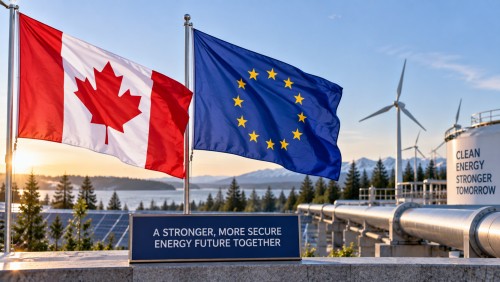
As Europe grapples with energy security concerns and a desire to reduce its reliance on Russian energy, a potential partnership with Canada could provide a practical solution. This collaboration aims to bolster Europe’s energy independence by leveraging Canadian resources and expertise, potentially reshaping the continent’s energy landscape.
During a recent visit to Strasbourg, Canadian Prime Minister Mark Carney engaged in discussions with European Union leaders to explore closer energy ties. Such cooperation could see Canada, rich in oil and natural gas resources, playing a pivotal role in diversifying Europe’s energy sources. Although Canada currently lacks direct export infrastructure on its eastern coast for transatlantic shipments, innovative solutions like energy swap agreements might bridge this gap. These arrangements could reroute Canadian energy destined for Asian markets to Europe, ensuring a steady supply without the need for new infrastructure.
The proposed partnership extends beyond traditional energy sources. Canada is positioned to supply critical minerals essential for Europe’s clean-energy transition, supporting renewable energy development and low-carbon technologies. This aspect of the partnership aligns with broader efforts to achieve sustainable energy goals and reduce carbon footprints across the continent.
While the establishment of new facilities on Canada’s eastern coast could take several years, the pursuit of energy swap agreements presents an immediate opportunity to strengthen ties and respond to Europe’s urgent energy needs. This strategic collaboration underscores a shared commitment to economic and strategic integration between Canada and the EU, potentially setting a precedent for future international energy partnerships.
As both parties navigate the complexities of geopolitical energy dynamics, the potential Canada-EU energy partnership not only promises enhanced energy security but also propels forward a shared vision for a greener and more sustainable future. This initiative highlights the importance of strategic alliances in addressing global energy challenges and fostering economic resilience.