Germany has reinforced its unwavering support for Ukrainian President Volodymyr Zelenskiy amidst growing tensions between Berlin and Washington. This affirmation comes as former U.S. President Donald Trump called for a change in Ukraine’s leadership, a move that has highlighted differing approaches between the two allies concerning the ongoing conflict with Russia.
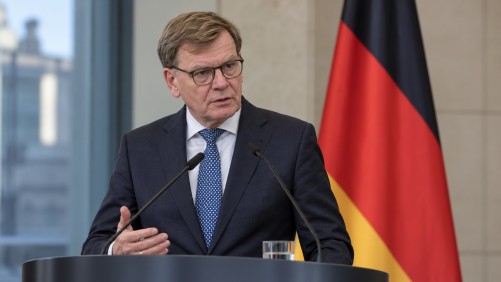
German Foreign Minister Johann Wadephul emphasized Berlin’s steadfast backing of Zelenskiy and his administration, underscoring the importance of consistent support as Ukraine grapples with the challenges posed by Russian aggression. Wadephul also advocated for increased pressure on Russian President Vladimir Putin to facilitate a return to peace negotiations, viewing economic sanctions as a critical tool in this effort.
In contrast, Trump has criticized Ukraine’s military actions against Russian oil infrastructure and revealed a deal involving Russian diesel supplies, actions which have raised eyebrows among European allies. His administration’s temporary easing of certain U.S. sanctions on Russian fuel further stirred concerns, particularly in Europe, where maintaining pressure on Moscow is seen as vital.
Germany, one of the most significant European supporters of Ukraine, has reiterated its commitment to maintaining sanctions against Russia. This stance aligns with the broader European strategy of using economic measures to coax Russia into negotiations. The United Kingdom has echoed this sentiment, with British Prime Minister Andy Burnham affirming continued sanctions and support for Ukraine during his conversation with Zelenskiy.
The united front from Germany and the UK underscores the enduring European resolve to support Ukraine, despite the divergent strategies emerging from Washington. As Berlin and London stand firm, the transatlantic discord over leadership, sanctions, and the path to peace in Ukraine becomes more evident.