
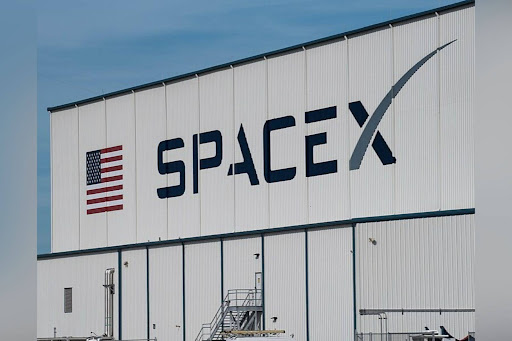
SpaceX is on the verge of a public debut that could see its valuation soar to an estimated $1.75 trillion. This valuation would position the rocket manufacturer as the sixth-largest publicly traded entity in the United States, standing alongside the world’s most influential technology giants. The company is currently exploring a primary listing on the Nasdaq to maximize its reach among global investors.
For years, SpaceX has operated with a level of autonomy rarely seen in companies of its scale. However, the integration of xAI and the expansion of the Grok AI platform into orbital computing have necessitated a broader capital base. The upcoming IPO is seen as a way to secure the billions of dollars required for Musk’s vision of a multi-planetary civilization.
One of the most significant aspects of the potential listing is the “Fast Entry” rule proposed by the Nasdaq. This mechanism is designed to attract megacap firms by offering them a seat on the Nasdaq 100 shortly after their debut. SpaceX has indicated that this rapid inclusion is a vital component of its go-to-market strategy.
The arrival of SpaceX on the public stage will likely trigger a re-evaluation of the entire space industry. Competitors in the launch and satellite sectors may face increased pressure to match SpaceX’s scale and efficiency. Institutional investors are expected to pivot toward this new asset class, potentially drawing capital away from traditional sectors.
Despite the momentum toward a June launch, the company’s plans remain subject to change based on broader economic conditions. The NYSE continues to actively lobby SpaceX leadership, though the Nasdaq’s tech-heavy reputation remains a strong lure. A formal announcement regarding the final exchange and share price is expected by mid-year.