
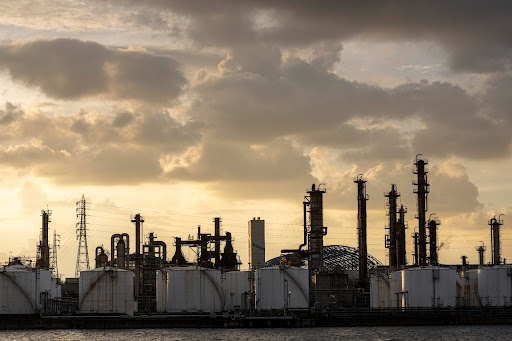
Global oil prices jumped past $100 per barrel after Iran threatened revenge for Israeli strikes on its energy facilities and launched fresh attacks against Gulf nations, dramatically widening a conflict that was already roiling markets and alarming governments worldwide.
Israeli forces had struck oil storage and fuel distribution facilities in and around Tehran, killing four workers. The strikes sent black smoke billowing across the Iranian capital and prompted immediate threats of retaliation from Iran’s Revolutionary Guards, who warned that continued attacks would result in similar strikes against Gulf energy infrastructure.
Saudi Arabia, the UAE, Qatar, Bahrain, and Kuwait all confirmed they had come under attack. Saudi forces intercepted 15 incoming drones, while Bahrain suffered damage to a desalination plant. Two civilians were killed in Saudi Arabia after a projectile struck a residential area, and a US service member died from injuries sustained in a separate Iranian strike, the seventh American fatality of the war.
Iran’s political landscape shifted dramatically amid the fighting. The country’s clerical body appointed Mojtaba Khamenei as the new supreme leader, selecting the son of the late Ali Khamenei in what critics described as an unprecedented embrace of dynastic rule within the Islamic Republic.
Fractures within Iran’s leadership were also on display. The country’s president had publicly apologized to Gulf states and suggested Iran would stop striking them — only for the military to continue its barrages hours later. The disconnect between civilian and military leadership raised serious questions about who was truly in charge of Iran’s war strategy.