
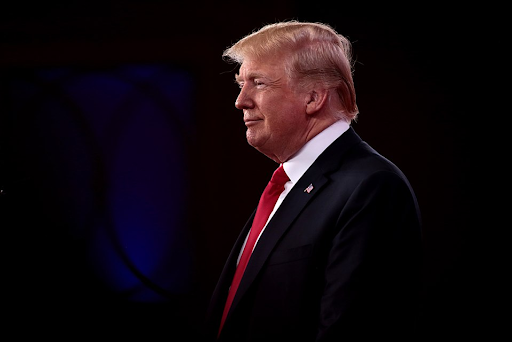
President Trump has vowed to increase tariffs on South Korean imports to 25%, citing legislative foot-dragging in Seoul on a trade agreement finalized last year. The threat encompasses major export categories including automobiles, pharmaceuticals, and lumber products.
The disputed agreement was negotiated directly between Trump and South Korean President Lee Jae Myung in October 2024, including provisions for reduced American tariffs in exchange for Korean investment commitments. However, the deal has become mired in South Korean domestic political debates about ratification requirements.
Korean officials expressed frustration at learning of the tariff threat through social media rather than diplomatic channels. The government is mobilizing responses including emergency consultations in Washington and expedited parliamentary action on five enabling bills.
South Korea’s export-oriented economy is particularly vulnerable to tariff changes, with the automotive industry representing the greatest exposure at nearly half of car exports going to America. Stock market reaction to Trump’s announcement was significant, with Korean carmaker shares experiencing sharp volatility.
Trump’s willingness to threaten tariffs against a key Asian ally demonstrates his continued emphasis on trade policy as a diplomatic tool. While not all threatened tariffs are implemented, economists note that the volatility created by unpredictable announcements imposes real costs on businesses and markets.