
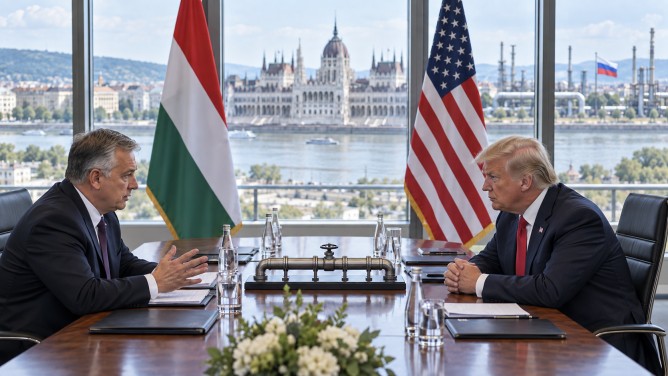
Hungary is facing potential disruptions in its energy supply as it seeks an exemption from newly enacted U.S. sanctions targeting nations that continue to purchase Russian oil and gas. The sanctions, part of the Lindsey O. Graham Sanctioning Russia and Iran Act of 2026, could impose tariffs of up to 100% on major buyers of Russian energy, a category into which Hungary firmly falls.
Márton Hajdú, the chairman of Hungary’s Foreign Affairs Committee, has been actively engaging with Republican members of the U.S. House of Representatives to secure support for Hungary’s bid for an exemption. The TISZA party, to which Hajdú belongs, is pushing for this concession while also planning measures to lessen Hungary’s reliance on Russian energy imports.
Hungary currently imports approximately 5 million tonnes of Russian crude oil and 4.5 billion cubic meters of natural gas annually. This dependency underscores the potential impact of the U.S. legislation, signed by President Donald Trump on September 18, which grants the U.S. administration the power to impose these significant tariffs.
The request for exemption highlights the broader implications for Hungary-U.S. relations as Washington begins to implement the sanctions and assess which countries may face these added financial burdens. Hungary’s situation exemplifies the challenges many European nations face as they navigate between longstanding energy dependencies and the geopolitical shifts prompted by such U.S. measures.
Ultimately, the outcome of Hungary’s request could set a precedent for how the U.S. deals with other nations similarly dependent on Russian energy, further influencing global energy politics and economic alignments.