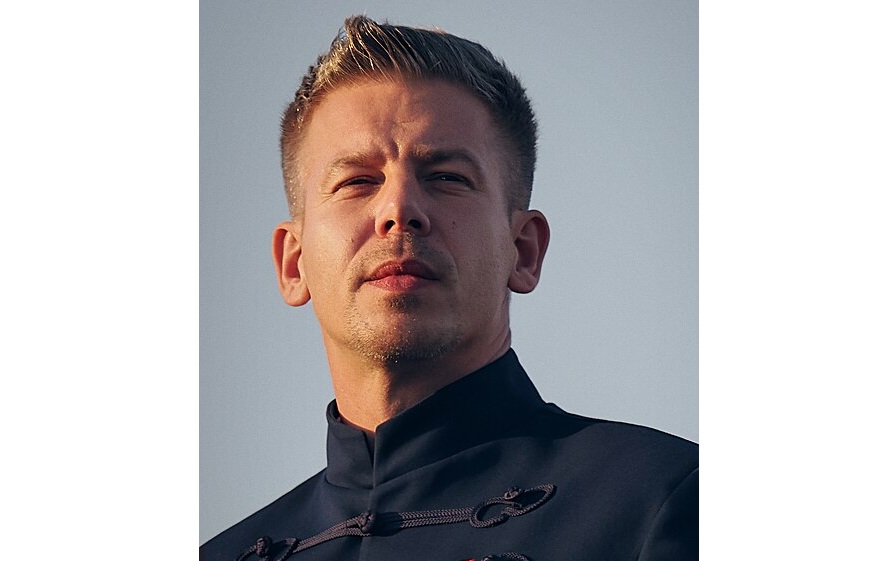
At the European Council summit, Hungarian Prime Minister Péter Magyar highlighted significant discussions concerning Ukraine’s quest for EU membership, the sanctions policy, and the broader economic challenges facing the European Union. According to Magyar, any references to Ukraine in the summit’s final declaration were strictly based on language already unanimously agreed upon by EU member states. A proposal to expedite Ukraine’s accession process was reportedly removed after consultations among the countries involved.
Ukraine’s potential membership in the EU remains a contentious topic within the bloc, with a number of countries expressing reservations about the speed of the accession process and its possible economic repercussions. This debate underscores the complexities surrounding Ukraine’s path toward joining the European Union, which continues to be a focal point of diplomatic discussions.
During the summit, Prime Minister Magyar engaged in talks with European Parliament President Roberta Metsola, where they addressed Hungary’s ongoing Article 7 procedure alongside broader issues related to the EU. He also convened with Slovak Prime Minister Robert Fico and took part in meetings with leaders from the Visegrád Group, a cultural and political alliance of four Central European states.
Magyar underscored the importance of revitalizing cooperation among the Visegrád Group nations, emphasizing plans for further regional discussions to be held in Hungary. This initiative reflects a commitment to strengthening ties and collaborative efforts among Central European countries within the framework of the EU.
Meanwhile, EU leaders are poised to continue their negotiations concerning the bloc’s long-term budget framework for the years 2028 to 2034. These talks are essential for shaping the future financial strategy of the European Union, as member states work together to address both current and future economic challenges.