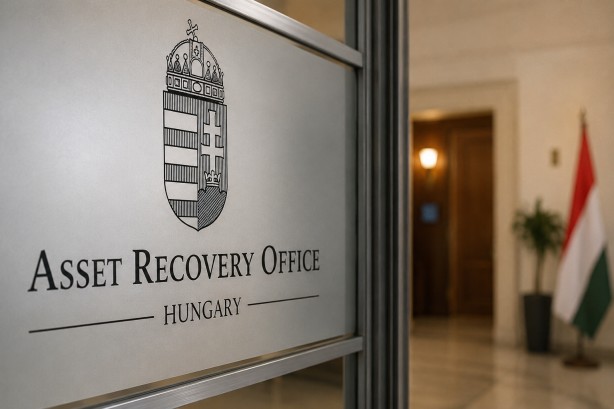
The establishment of Hungary’s National Asset Recovery and Asset Protection Office (NVVH) is under increased scrutiny as the process to appoint its leadership progresses. Currently, three candidates are being considered for the presidency of this proposed agency. Meanwhile, various civil society organizations, including the Hungarian Civil Liberties Union, the Hungarian Helsinki Committee, and K-Monitor, are expected to contribute professional insights during the selection process.
The planned agency has sparked criticism from both opposition parties and legal experts due to concerns over its design and authority. Critics have highlighted worries that the NVVH’s combination of administrative, investigative, and prosecutorial functions might result in an undue concentration of power. Such a structure could potentially challenge legal safeguards and disrupt the separation of powers, according to those opposed to the current proposal.
Amidst these concerns, Hungary’s ruling party, FIDESZ, has expressed opposition to the establishment of the agency. The party has announced its intention to contest the legal framework underpinning the NVVH by bringing the matter before Hungary’s Constitutional Court. This move underscores the ongoing debate over the agency’s proposed powers and its potential impact on Hungary’s judicial and administrative landscape.
The involvement of civil society organizations in the selection process is seen as a critical step in ensuring that diverse perspectives are considered. Their professional input is anticipated to shape how the agency’s leadership is chosen, which could influence the future operational dynamics of the NVVH.
As the selection process advances, the discourse surrounding the NVVH highlights broader concerns about governance and the balance of power within Hungary’s political system. The outcome of this debate may have significant implications for the country’s approach to asset recovery and protection, as well as the broader framework of its legal and administrative institutions.