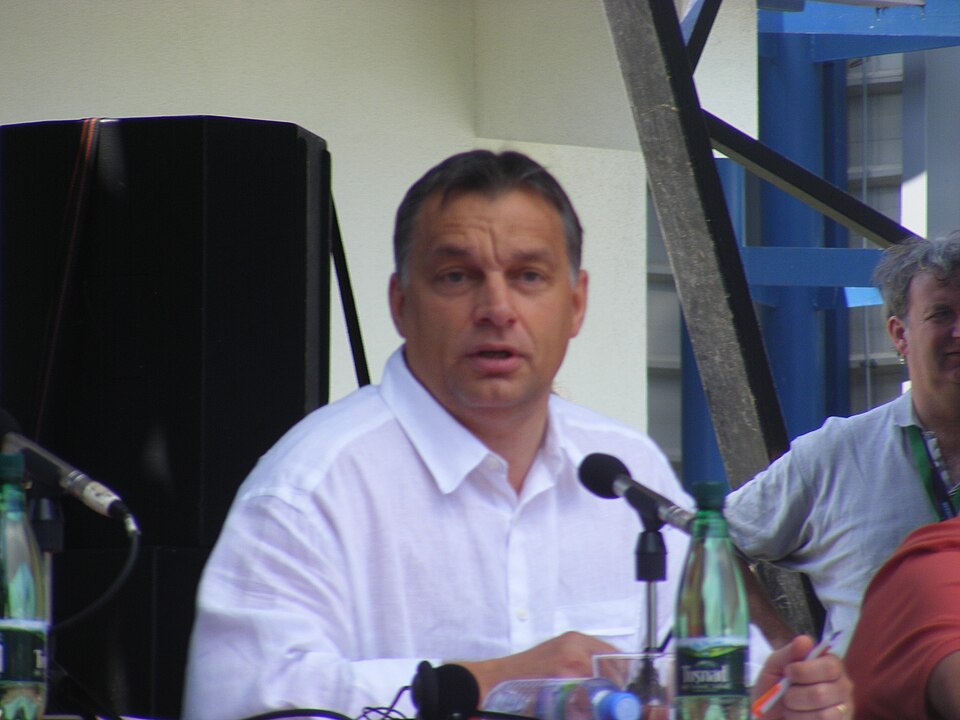
Viktor Orbán, a prominent Hungarian political leader, has staunchly defended the strategic use of his country’s veto power within the European Union. At an international press event held in Belgium, Orbán justified this approach as a necessary countermeasure against perceived political pressure from Brussels. He emphasized his commitment to bolstering conservative and sovereigntist factions within Europe, despite various challenges.
Highlighting the growing traction of patriotic and anti-immigration parties, Orbán argued that these movements are gaining strength, even in the face of electoral setbacks. He attributed this rise in support to widespread dissatisfaction with how the European Union addresses critical issues such as security, migration, economic competitiveness, and the ongoing Russia-Ukraine conflict.
Addressing the ongoing EU funding disputes, Orbán recalled how his previous administration interpreted the withholding of funds as a form of political coercion. In retaliation, his government had considered blocking significant EU decisions, including the approval of the next seven-year budget for the bloc. He maintained that Hungary should persist in wielding its veto power if needed to secure what it perceives as its rightful share of EU funds.
Moreover, the former Hungarian prime minister took issue with EU mechanisms that tie financial support to political and legal stipulations. He criticized these measures, arguing that they pave the way for potential political pressure on member states in the future. Orbán underscored the importance of safeguarding national sovereignty against such influences.
Looking forward, Orbán expressed optimism about the growing clout of conservative and patriotic parties throughout Europe. He predicted that center-right parties would eventually have to decide between forming alliances with left-leaning forces or fostering stronger unity among right-leaning groups. This strategic choice, he suggested, would shape the future political landscape of Europe.