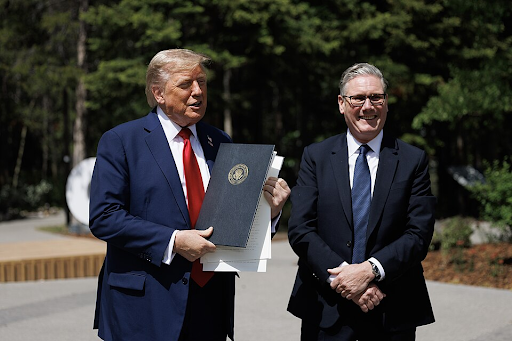
Prime Minister Keir Starmer positioned Britain at the forefront of European resistance to American economic threats, telling Donald Trump that tariffs against NATO allies over Greenland are wrong. His weekend diplomatic offensive demonstrated the seriousness with which European leaders view this unprecedented challenge to alliance unity.
The current crisis centers on Trump’s announcement of potential sanctions against eight European countries that deployed forces to Greenland in response to US pressure on the Danish territory. Starmer’s Sunday diplomatic efforts encompassed calls with Danish Prime Minister Mette Frederiksen, European Commission President Ursula von der Leyen, and NATO Secretary General Mark Rutte as leaders coordinated their response.
Throughout his consultations, the British leader emphasized that high north security cooperation benefits all NATO members working to protect Euro-Atlantic interests. His characterization of tariffs against allies pursuing collective security as fundamentally wrong represents significant European pushback against Trump’s unconventional diplomatic methods.
A joint statement from the eight affected European nations characterized Trump’s threats as damaging transatlantic relationships and creating risks of dangerous escalation. Under the proposed timeline, 10% tariffs would take effect February 1st, potentially rising to 25% by early summer if Greenland negotiations don’t produce outcomes satisfactory to Washington.
Rather than announcing retaliatory measures, Starmer plans to use Monday’s emergency statement to express clear British opposition while maintaining diplomatic channels. Government officials believe the Prime Minister’s unexpectedly cordial relationship with Trump might enable behind-the-scenes negotiations to defuse the crisis and avoid economic confrontation between allies.