
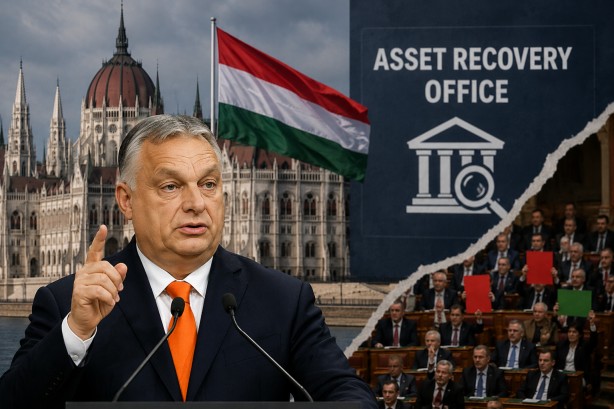
Hungary’s legislative body has sanctioned the establishment of the National Asset Recovery and Asset Protection Office (NVVH), a new institution designated to probe and reclaim public assets purportedly mishandled or unlawfully transferred during the tenure of previous governments. This initiative was passed with the backing of the ruling TISZA Party and the opposition Our Homeland Movement, despite opposition from FIDESZ lawmakers.
The approval of this proposal has ignited a political debate, with detractors expressing concern about the agency’s extensive investigative and prosecutorial powers. Critics argue that these powers could potentially be exploited for political gains, raising alarms about the agency’s potential impact on judicial oversight and due process.
Proponents within the government assert that the creation of the NVVH will bolster anti-corruption measures and enhance accountability in managing public assets. They view the office as a vital step towards ensuring integrity and transparency in public asset management, which they believe has been lacking in previous administrations.
Meanwhile, opposition lawmakers remain apprehensive, cautioning that the NVVH’s expansive authority might lead to politically motivated targeting. They fear that this could erode essential legal protections and compromise the fairness of legal proceedings, thus undermining the rule of law.
As the NVVH comes into existence, the political landscape in Hungary is poised for further scrutiny and debate over its role and impact. The office’s future actions will be closely watched, as stakeholders from various political factions assess whether it will fulfill its intended purpose or become a tool for political maneuvering.