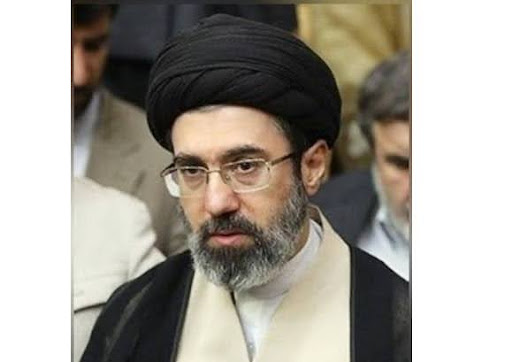
Iran has a new supreme leader: Mojtaba Khamenei, a deeply conservative cleric with no elected office experience and enormous informal political capital accumulated over decades within his father’s government. The Assembly of Experts announced his appointment on Sunday after what it called a decisive vote, urging the Iranian people and scholarly community to support the transition and preserve unity during a time of national crisis.
The appointment comes weeks after the assassination of his father, Ayatollah Ali Khamenei, on February 28, when a joint US-Israeli strike killed the supreme leader in Tehran. Mojtaba, 56, had been widely anticipated as the most likely successor. He has spent his adult life inside the informal power structure of the Islamic Republic, cultivating relationships with conservative clerics and IRGC commanders while maintaining a deliberately low public profile.
Iranian institutions responded with remarkable speed. The armed forces leadership, IRGC, parliament, and senior officials all issued statements within hours, pledging loyalty and framing support for Mojtaba as a religious and national obligation. Iran’s security establishment appeared intent on preventing any ambiguity about who held authority in the country, particularly in the context of an active military confrontation with Israel.
That confrontation intensified on Monday when Israel launched new strikes against Iranian infrastructure. Iranian missiles had already been striking Gulf states, killing two people in Saudi Arabia and damaging a desalination plant in Bahrain. Saudi Arabia intercepted 15 drones. The IRGC threatened that oil could exceed $200 per barrel if strikes on Iranian energy facilities continued. The US sought to stabilize markets by pledging not to attack Iranian energy infrastructure.
Mojtaba Khamenei’s leadership will be judged not by the speed of his appointment or the completeness of institutional endorsements, but by what he does next. Iran faces choices about whether to escalate or seek a path toward de-escalation, and those choices will carry enormous consequences. His supporters say he has the resolve and the ideological foundation to see Iran through this crisis. The world remains deeply uncertain about what his leadership will mean in practice.