
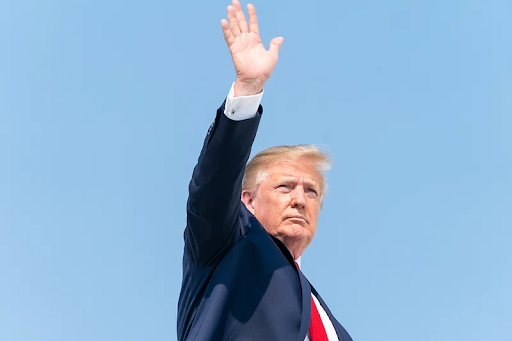
Donald Trump’s Board of Peace convened its first meeting Thursday in Washington, bringing together more than two dozen founding member nations to address the Gaza ceasefire and the territory’s future. The board’s ambitions are vast — from governing and rebuilding Gaza to challenging the UN Security Council. But its credibility will be judged by what it actually delivers. Here are five things it must accomplish to be taken seriously.
First, it must produce visible humanitarian improvements in Gaza. More than two million Palestinians are living in devastated conditions, and the ceasefire has not yet translated into meaningful improvements in daily life. Food, medical supplies, and shelter remain acutely insufficient. Without progress here, the board’s credibility will dissolve quickly.
Second, it must unlock movement on the transitional governance committee. The US-named 15-member committee led by Ali Shaath and overseen by Nickolay Mladenov is stranded in Egypt, awaiting Israeli permission to enter Gaza. Until this committee can begin functioning, the political transition that underpins the peace plan cannot begin.
Third, it must make progress on the disarmament question. Hamas has not disarmed and has made only conditional commitments. Ideas about weapons depots or surrendering heavy arms while keeping handguns are on the table. The board needs to advance this discussion toward something concrete.
Fourth, it must demonstrate real funding commitments. Trump claimed $5 billion in pledges this week, but no documentation has been made public. With reconstruction estimated at $70 billion, the gap between claimed pledges and verified commitments is enormous and must be addressed.
Fifth, it must maintain its coalition. Arab and Muslim members are pushing back against Israeli strikes. Israel is suspicious of Qatar and Turkey. Key European allies have declined to join. Keeping these divergent parties aligned on a common framework will require active management and genuine compromise.