
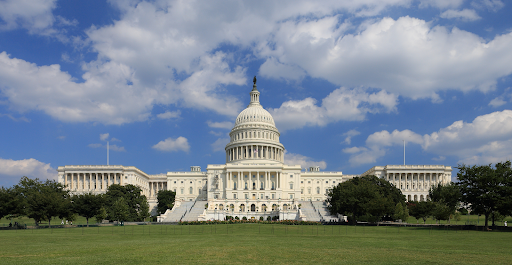
A spending compromise backed by President Trump and negotiated with Senate Democrats offers a potential mechanism to prevent government shutdown while deferring resolution of explosive immigration enforcement questions. Trump’s Thursday endorsement came with acknowledgment that shutdown remained possible, reflecting genuine uncertainties about legislative implementation. The deal attempts to navigate competing priorities: maintaining essential government operations while creating space to address serious concerns about immigration agent conduct that emerged following recent incidents.
The agreement’s architecture involves extracting Department of Homeland Security funding from the comprehensive spending package covering most federal operations. This separation allows Congress to potentially approve resources for defense, healthcare, and other critical functions before Friday’s deadline, while giving DHS only a brief two-week extension. The approach emerged as Democrats made clear they would obstruct all funding unless the administration addressed concerns about immigration agent conduct through dedicated negotiations.
Democratic demands for immigration enforcement reform have focused on specific operational changes including eliminating roving patrol tactics, requiring body cameras during all enforcement activities, and prohibiting agents from wearing face masks. These proposals represent substantive alterations to how immigration enforcement operates rather than merely rhetorical positions. The fatal shooting of nurse Alex Pretti by federal agents in Minneapolis, coming after another shooting of a U.S. citizen in the area, provided both political leverage and moral authority for these reform demands.
The Trump administration faces difficult choices during the two-week DHS funding extension about whether to accommodate Democratic demands for enforcement reforms. Aggressive immigration enforcement has been a cornerstone policy achievement, creating institutional resistance to changes that might be perceived as constraining enforcement authority. However, public outcry following recent shootings has generated political pressure to demonstrate responsiveness to accountability concerns. Whether these competing imperatives can be reconciled within the compressed timeframe will determine if the extension proves sufficient.
Significant obstacles persist despite the framework agreement. House Speaker Mike Johnson’s acknowledgment that recalling members from scheduled break could prove difficult raises the possibility of a weekend shutdown even with broad conceptual support. Trump’s social media appeal for bipartisan backing suggests recognition that passage requires votes from both parties navigating internal divisions and skepticism. The coming days will test whether this compromise can survive legislative implementation and whether the brief DHS extension provides sufficient time to resolve immigration enforcement questions touching on fundamental issues of accountability and appropriate use of federal power.