
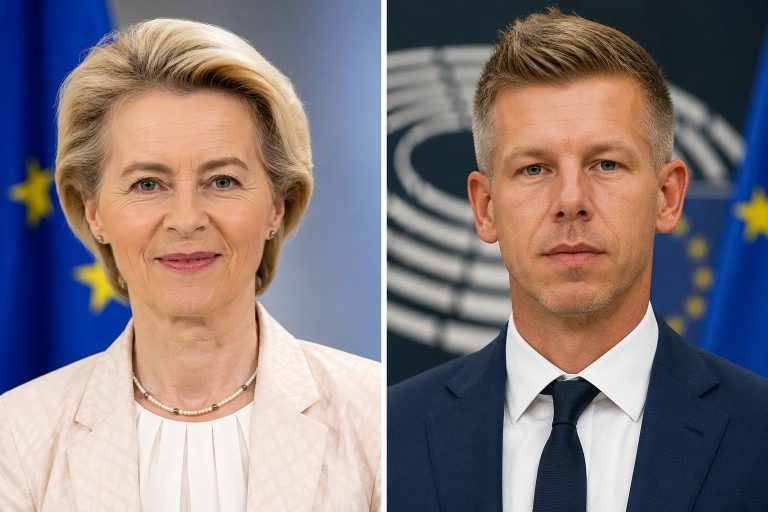
Hungary has secured an agreement with the European Commission, unlocking billions in previously withheld European Union funds following its pledge to enact a series of reforms. European Commission President Ursula von der Leyen acknowledged that the Hungarian government has initiated measures to tackle issues concerning transparency, governance, and the management of EU finances. These initiatives include bolstering anti-corruption measures, improving oversight mechanisms, and participating in the European Public Prosecutor’s Office.
As part of the deal, Hungary is slated to receive substantial funding aimed at enhancing infrastructure, energy security, housing, transportation, and business development projects. Additional funds may be disbursed as Hungary continues to implement further reforms, particularly in the realms of higher education and academic governance. Hungarian Prime Minister Péter Magyar confirmed that the agreement encompasses a total of €16.2 billion in EU funding, which he hailed as a significant boost to the nation’s economic growth and investment strategies.
The agreement also clears the path for Hungarian students to resume full participation in the Erasmus exchange program starting in the upcoming academic year. This development is seen as a key benefit for Hungary’s educational sector, aligning with the broader reforms stipulated in the deal.
Despite these advancements, migration policy remains a contentious topic in the dialogue between Hungary and the EU. Prime Minister Magyar reiterated Hungary’s commitment to securing its borders and maintaining stringent controls on illegal migration while fulfilling its responsibilities under European obligations. He underscored the necessity of effective protection of the EU’s external borders and affirmed that Hungary has no plans for establishing migrant camps within its territory.
This funding agreement represents a pivotal moment in mending the relationship between Hungary and the European Commission, following prolonged disagreements over governance, judicial reforms, and EU budget allocations. With these new commitments, both parties look to move forward in a more cooperative and constructive manner.