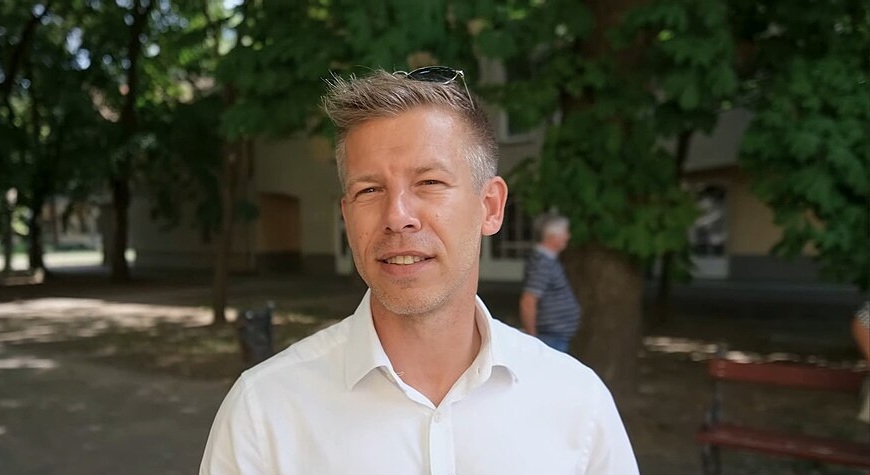
Hungary is navigating a significant political and constitutional transition following the electoral defeat of long-time leader Viktor Orbán. The newly appointed Prime Minister, Péter Magyar, who succeeded Orbán after his 16-year leadership, is spearheading efforts to enact substantial reforms across key state institutions. Among the most controversial of these moves is the proposed removal of the country’s president, a step that is part of a broader strategy to dismantle what the new administration describes as an entrenched system of illiberal governance.
Armed with a parliamentary supermajority, Magyar’s government is evaluating various constitutional amendments aimed at overhauling structures established during Orbán’s tenure. Proponents of these reforms argue that they are crucial for reinstating democratic checks and balances and fortifying the rule of law. However, these proposals have ignited a contentious debate among legal scholars and political commentators. Critics caution that leveraging a significant parliamentary majority to modify constitutional frameworks could establish a precedent that might be exploited by future governments for political gain.
The situation could become more complex if the president garners backing from Hungary’s judicial bodies, potentially setting the stage for a constitutional clash between the executive branch and the judiciary. This developing debate underscores a pivotal question for Hungary: whether these reforms are a necessary departure from the political practices of the Orbán era or if they pose a risk of introducing new challenges to democratic governance and the stability of the country’s constitutional order.
As the Magyar administration presses forward with its ambitious reform agenda, the outcomes are poised to have a lasting impact on Hungary’s political landscape and its institutional architecture for the foreseeable future. The decisions made in this period are expected to define the trajectory of Hungarian democracy and governance, determining whether the country can successfully transition away from its recent past.