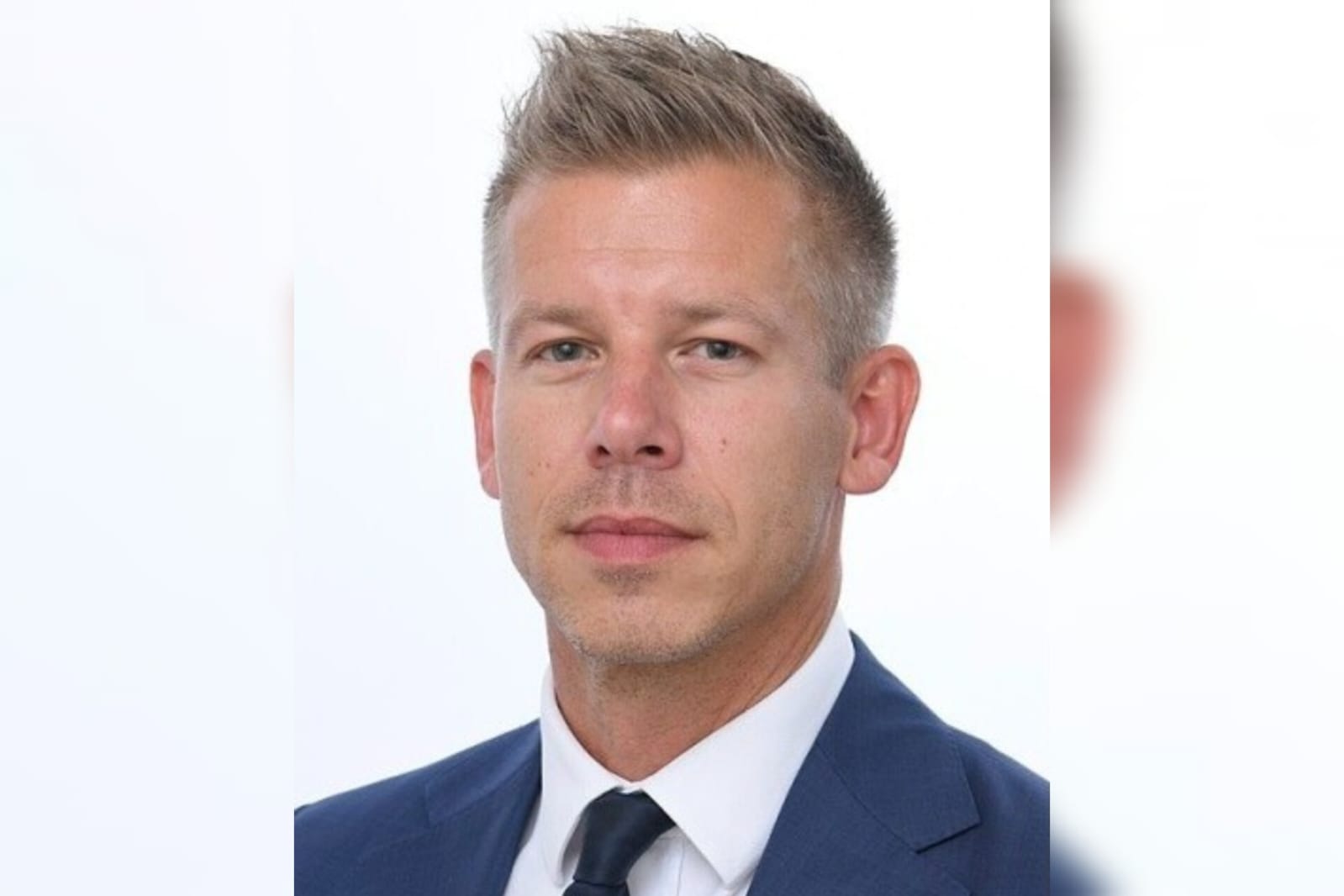
Péter Magyar, Hungary’s newly elected leader, is focusing on building a robust alliance with Polish Prime Minister Donald Tusk to leverage Poland’s experience in mending EU relations following years of illiberal governance. Both Hungary and Poland have traversed parallel paths since 1989, and now, the center-right, pro-European leaders are tasked with reinstating the rule of law and enhancing state institutions after democratic decline and frequent EU disputes. Tusk, jubilant on election night, reached out to Magyar from Korea, expressing his joy and relief over Hungary’s political shift, and emphasized the broader European trend towards rejecting corrupt and authoritarian rule.
Magyar, in response, underscored the importance of a “special relationship” with Poland and announced Warsaw as his first official foreign visit destination. He also committed to addressing the presence of two former Polish ministers in Budapest, who are evading prosecution for power abuses from their tenure under Poland’s previous rightwing Law and Justice (PiS) government. The new Hungarian parliament is set to be inaugurated, with Magyar’s swearing-in scheduled for May 9, aligning with the EU’s “Europe Day.” This strategic partnership between Magyar and Tusk is anticipated to reintegrate Budapest into mainstream European politics, especially as Magyar prepares to succeed Viktor Orbán at the European Council, where Tusk’s experience will be invaluable.
EU officials have already commenced informal discussions with Magyar’s incoming administration, seeking early signs of political realignment, such as lifting Hungary’s block on a €90 billion loan to Ukraine and agreeing to new sanctions against Russia. Hungary is expected to meet several institutional and governance-related conditions. Insight from Polish officials, who have engaged in confidential talks, reveals hopes for swift progress, emphasizing the need for tangible change beyond mere promises. With Magyar’s significant parliamentary majority, these reforms could proceed more smoothly than in Poland, where opposition vetoes posed challenges.
Magyar has also called for Tamás Sulyok, a close ally of Orbán, to resign, signaling a break from the past regime. His commitment to joining the European public prosecutor’s office and investigating past corruption during Orbán’s 16-year rule represents a critical step towards reform. Adam Bodnar, Poland’s former justice minister, noted that pre-swearing-in talks are strategic, allowing Magyar’s administration to hit the ground running. Despite Hungary’s strong parliamentary position, challenges remain in reforming entrenched systems and officials, a legacy of Orbán’s tenure.